menu
Menu




.png)

This data logger uses the latest satellite technology for remote data retrieval, eliminating the need to visit counters. The satellite logger operates in all locations, including those with weak or no mobile network coverage. When using our satellite solution we are able to monitor the battery and sensor signal strength remotely from the web portal to ensure that the counters are working optimally.Available with our full outdoor counter range, we are currently the only providers of satellite data transfer in the UK.
Our Local Wireless Solution which uses a robust and high performing wireless network that transmits the count data to a receiver attached to a LAN network or host PC. Available with our full outdoor counter and indoor counter range.
The software we provide with the datalogger version is Windows-based and intuitive. It provides a graphical view of the data when the logger is connected, providing immediate feedback. It also provides basic statistics (maximum, average counts, etc) and a table of the data. However, most customers export the data as a *.csv file for import to other programmes such as Excel or their management information system.
An LCD display is most commonly used for indoor counters. After manually logging the number the unit can easily be reset with the provided magnet.This version of data delivery is best for locations where there is someone who can log the counts on a regular basis, such as libraries, shops, visitor centres etc.
Our manual download data logger gives you count information that is easily downloaded onto a computer using a USB cable from the logger to the PC/laptop.
The download of the data is easy and can be undertaken in-situ or in the office, or the loggers can be swapped in the field. Data from multiple counters can be downloaded into a single file for easy comparison between entrances/sites.
We can incorporate mobile data loggers such as NB IoT or GSM for remote data retrieval, eliminating the need to visit counters. As mobile network coverage improves, this is a good cost-effective option where signal strength is reliable.
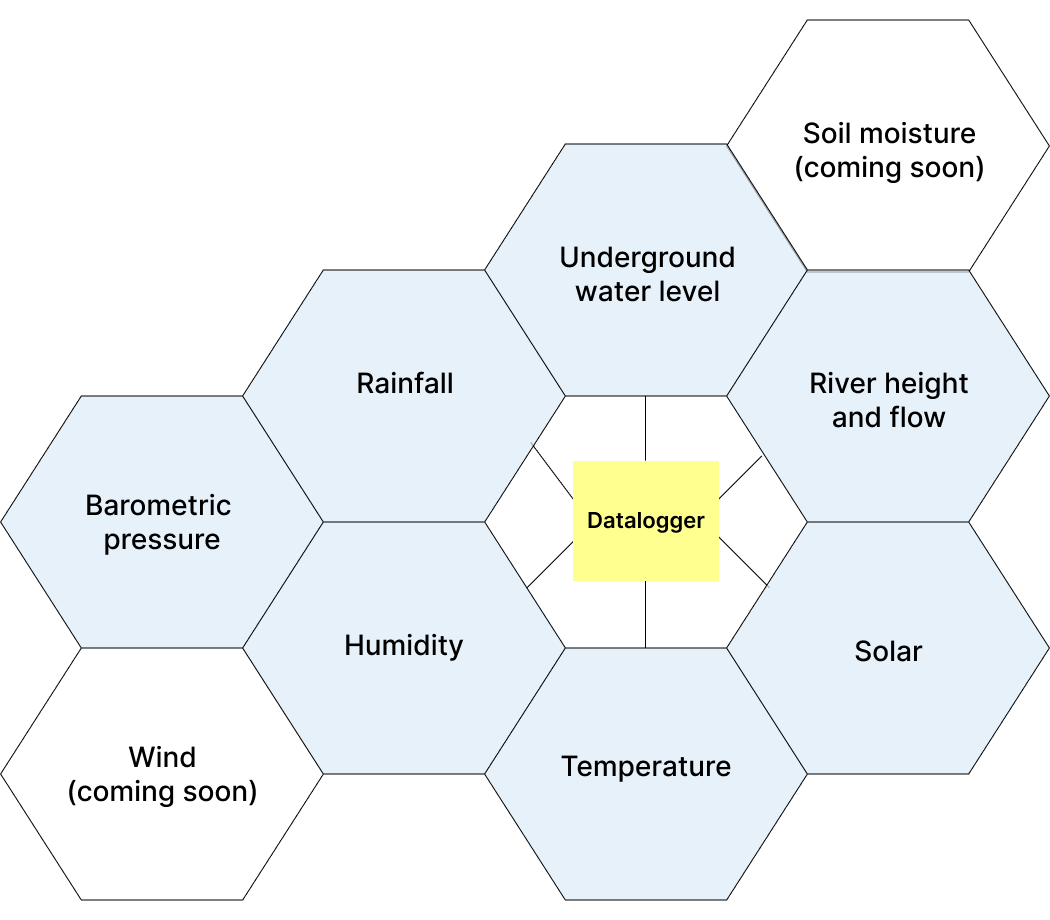
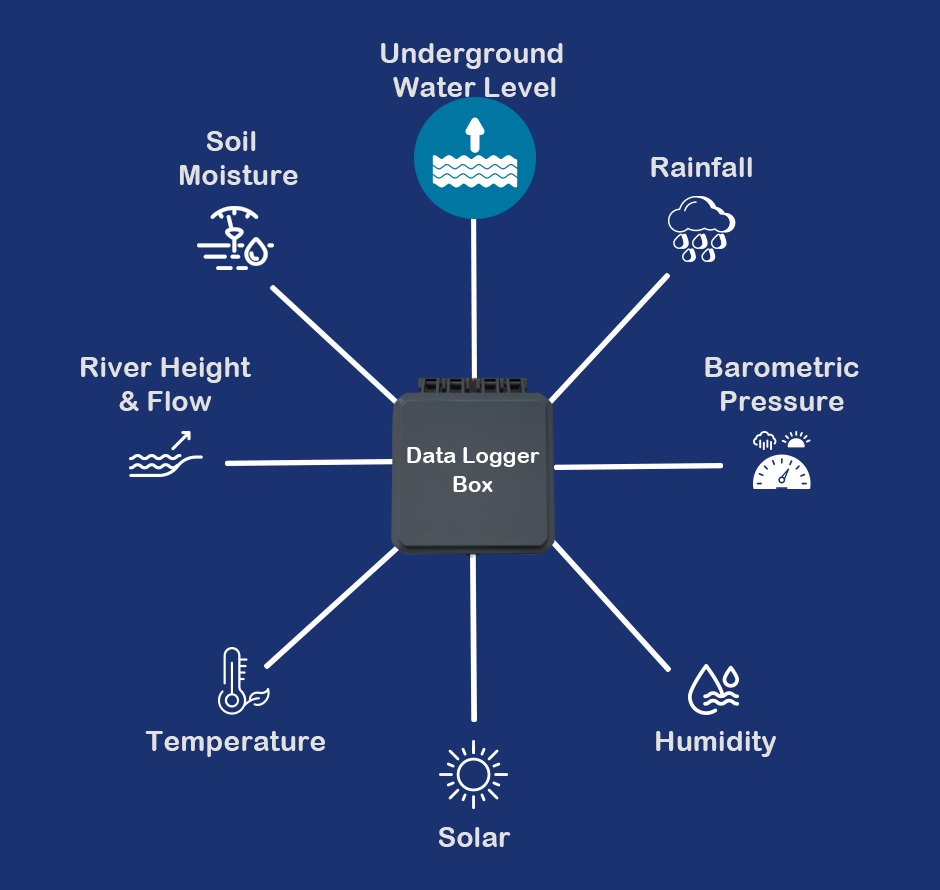
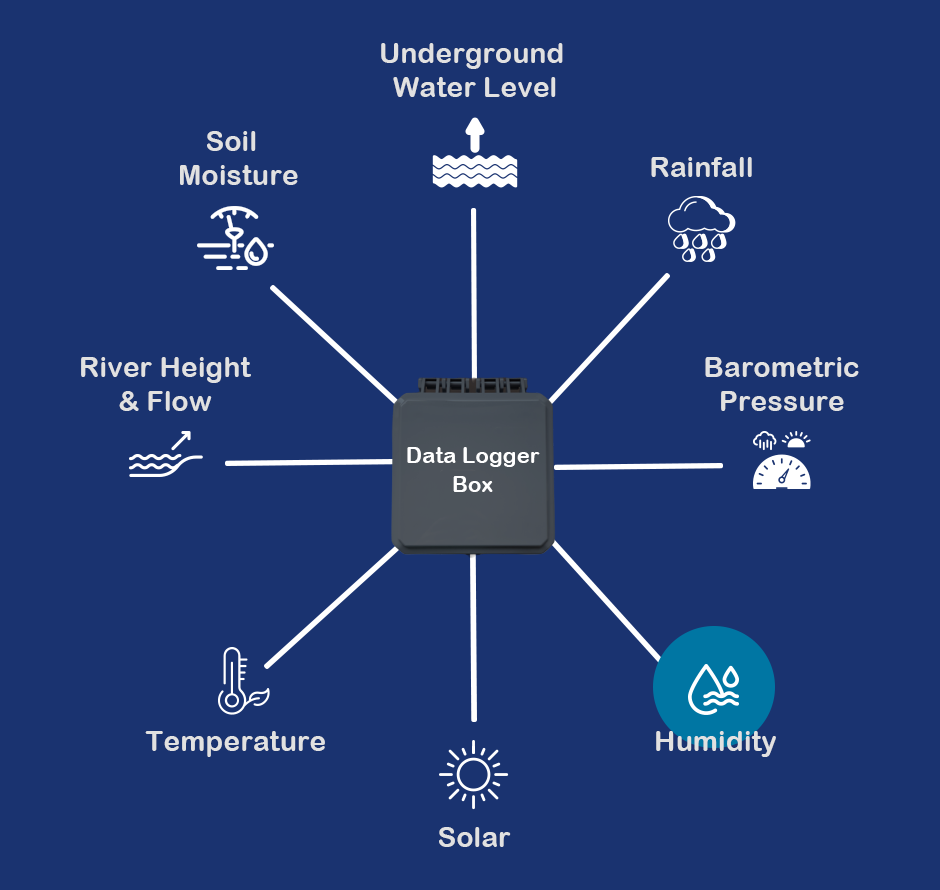
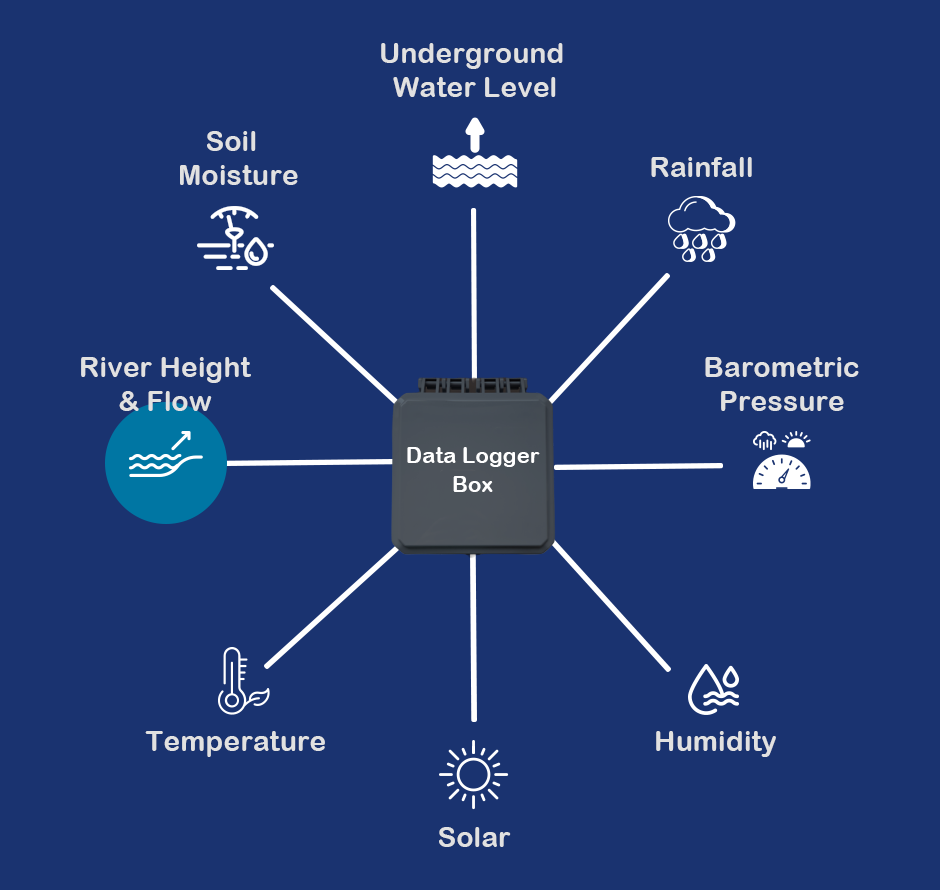
Once you have chosen the sensors you wish to connect to your Datalogger box, you can select the data delivery system that works best for you.
With our remote logger solutions manual uploading of sensor data can be a thing of the past.
We are always happy to offer guidance if you're unsure which data delivery system is optimal for your project, providing you with all the information you need to make the best decision
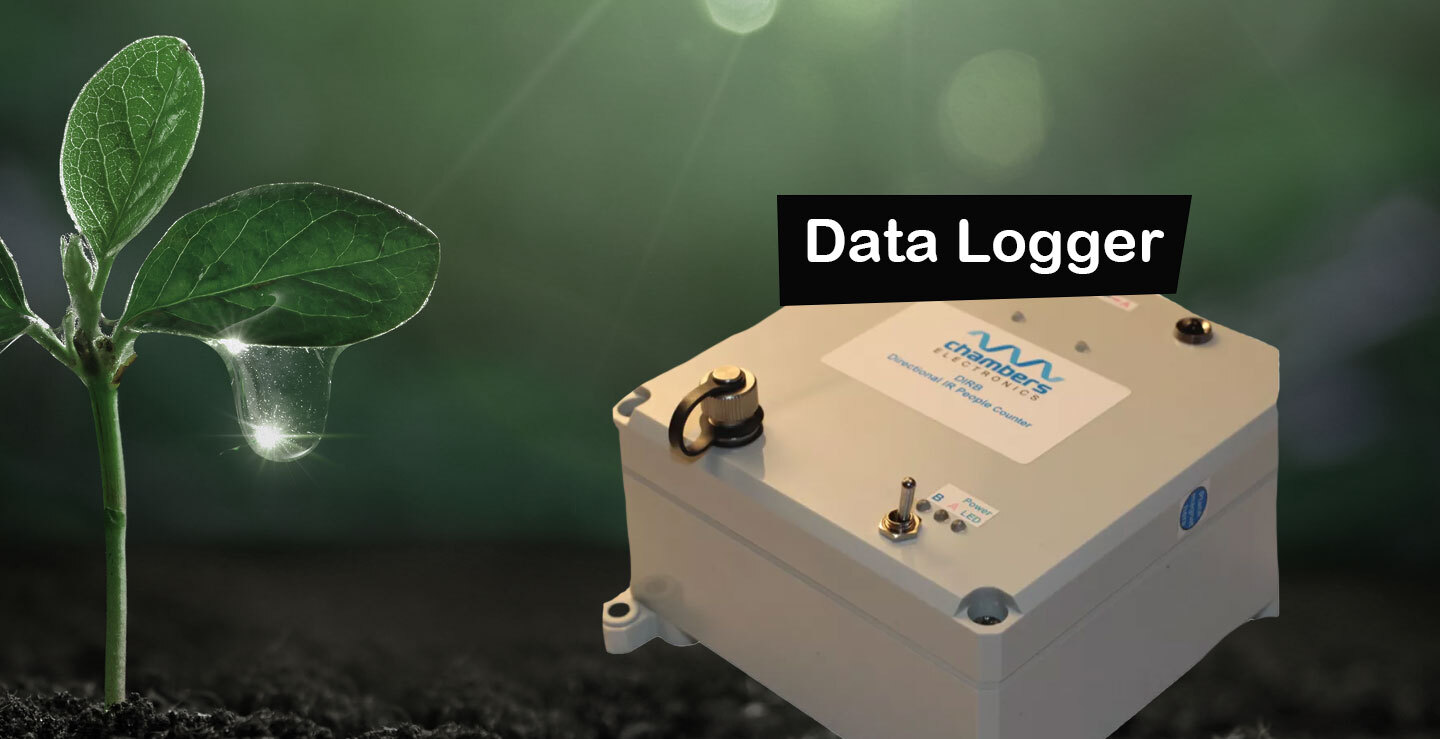

Data delivered straight to your PC means no need for regular site visits.
Avoid ongoing data delivery costs by retrieving count data manually
Our water-level logger is extensively used in peatland restoration, forestry drainage, river monitoring, floodplain mapping, and long-term hydrological studies. The system delivers continuous, high-accuracy groundwater depth measurements, enabling land managers, ecologists, and hydrologists to track water-table trends, assess restoration success, and analyse site hydrology throughout the year.
In response to increasing demand for effective peatland conservation monitoring, we have upgraded our logger to provide reliable underground water-table data in remote and off-grid locations. With integrated satellite remote logging, alongside LoRaWAN and NB-IoT options, users can collect hydrological data without manual downloads or costly site visits.
Healthy peatland requires the water table to remain within 1 metre of the surface, and our water-level logger enables precise, long-term monitoring of this critical threshold.
When combined with our rain sensor, the system generates a complete hydrological dataset, ideal for analysing rainfall response, drainage performance, groundwater recharge, and catchment-scale water movement.
The water-level logger can also be deployed in rivers, streams, ditches, ponds, wetlands,and flood-prone land, and we offer customised depth ranges, sensor configurations, and data-delivery options to meet project-specific requirements.
Our Water Level Logger has been designed to measure the water height in harsh environments such as peat bogs, rivers, and flood plains. Ground water level data will be automatically sent via a satellite link and displayed on a web hosted dashboard, meaning no mobile signal is required for remote logging.
The unit is robust and has a very long operating life. There are no external cables that can be damaged by rodents, weathering etc.
When powered, the system will automatically send the GPS location of the unit and begin logging. The user can simply leave the probe secured within the dip-well with no further support required, other than infrequent cleaning of the protective filter.
We have also added temperature and humidity sensors to enhance data analysis.
0 to 1.4 metre
Water depth in 5mm increments
Data and Time
Temperature
Humidity
GPS Location
Up to 5 years
Satellite data transmission
Logging Interval: 3 to 12 hours
Data Transmission Rate: Once per day
Transducer pipe: 22mm (diam) x 1500mm (or as required)
Control box: 188mm x 188mm x 130mm
The electronic marking system is a proven radio-detection solution for discretely marking and monitoring locations on the ground, including archaeological sites, vegetation quadrats, and areas prone to erosion. Small, durable transponders are buried at each location and detected by the retriever unit, providing a long-lasting, reliable marking method. Now widely used nationwide for long-term monitoring, the system features a pinpoint mode, which can be added to existing units through an upgrade. Flexible and robust, the retriever system makes tracking and revisiting critical sites simple and accurate.
As a response to the growing concern for peatland conservation, we have upgraded our water level logger to be an ideal solution for capturing underground water table levels in even the remotest of locations without costly site visits, thanks to our unique provision of satellite remote logging.
Healthy peatland requires the water level to be no more than 1m below the surface and this can be monitored more easily than ever before. Our water level logger can equally be used in rivers or flood lands to record how water levels change over time and we can tailor the device to meet your own depth and data delivery needs
The retriever system is the well proven radio-detection system for invisibly marking locations on the ground, such as archaeological sites and vegetation quadrats. A small transponder is buried at the location and is activated and detected by the Retriever Unit. The Transponders have indefinite life. The system is now widely used throughout the country for long-term monitoring. The Retriever Unit has a Pinpoint mode and we are offering to update existing units to add this feature. The system can also be used for monitoring path erosion or marking archaeological sites.
Our archive monitoring system is purpose-built for museums, archives, and libraries, helping institutions maintain optimal environmental conditions for the preservation of valuable and sensitive materials. Users can configure custom thresholds for temperature, humidity, and other key parameters in line with archival standards. If any of these limits are breached, designated personnel are directly notified through our intuitive online dashboard. This proactive alert system ensures rapid response to environmental changes, safeguarding collections from potential damage and supporting long-term conservation efforts.